Elon Musk Becomes the World’s First Trillionaire: What Comes Next?
Summary
A milestone once considered unimaginable has become reality.
Technology entrepreneur Elon Musk has officially become the first person in modern history to surpass a net worth of one trillion US dollars, according to multiple financial tracking firms and market analysts. The achievement has been fueled by the continued growth of SpaceX, Tesla, xAI, Neuralink and several other ventures that have expanded dramatically during the past decade.
While supporters view the milestone as evidence of innovation and entrepreneurship at an unprecedented scale, critics argue it highlights growing concerns about wealth concentration in the modern economy.
Regardless of perspective, Musk’s trillion-dollar milestone represents one of the most significant moments in business history.
How Musk Reached One Trillion Dollars
Unlike many previous billionaires, Musk’s wealth is spread across multiple industries.
Tesla remains one of the world’s most valuable automotive and energy companies, while SpaceX has become a dominant force in commercial spaceflight, satellite communications and government launch contracts.
Perhaps the biggest contributor to Musk’s recent wealth surge has been SpaceX. Valuation increases linked to Starship development, global Starlink expansion and commercial lunar programmes have dramatically increased the company’s market value.
Meanwhile, xAI’s rapid growth within the artificial intelligence sector has created an additional source of value, attracting investors eager to compete in the increasingly competitive AI market.
Together, these companies have transformed Musk’s business empire into one of the largest collections of privately and publicly held assets ever assembled by a single individual.
More Than Just Wealth
The trillionaire milestone is significant not only because of the number itself but because of what it represents.
Historically, industrial fortunes were built through oil, railroads, manufacturing or finance. Musk’s wealth has largely emerged from technologies that many experts believe will shape the coming century:
- Artificial intelligence
- Space exploration
- Renewable energy
- Robotics
- Advanced transportation
- Brain-computer interfaces
Supporters argue that much of Musk’s wealth exists because investors believe these industries will play a major role in humanity’s future.
Rather than reflecting cash sitting in a bank account, the valuation is largely tied to ownership stakes in companies pursuing ambitious long-term goals.
The Vision Beyond Earth
For years, Musk has stated that his ultimate objective extends beyond business success.
His long-term vision focuses on making humanity a multi-planetary species.
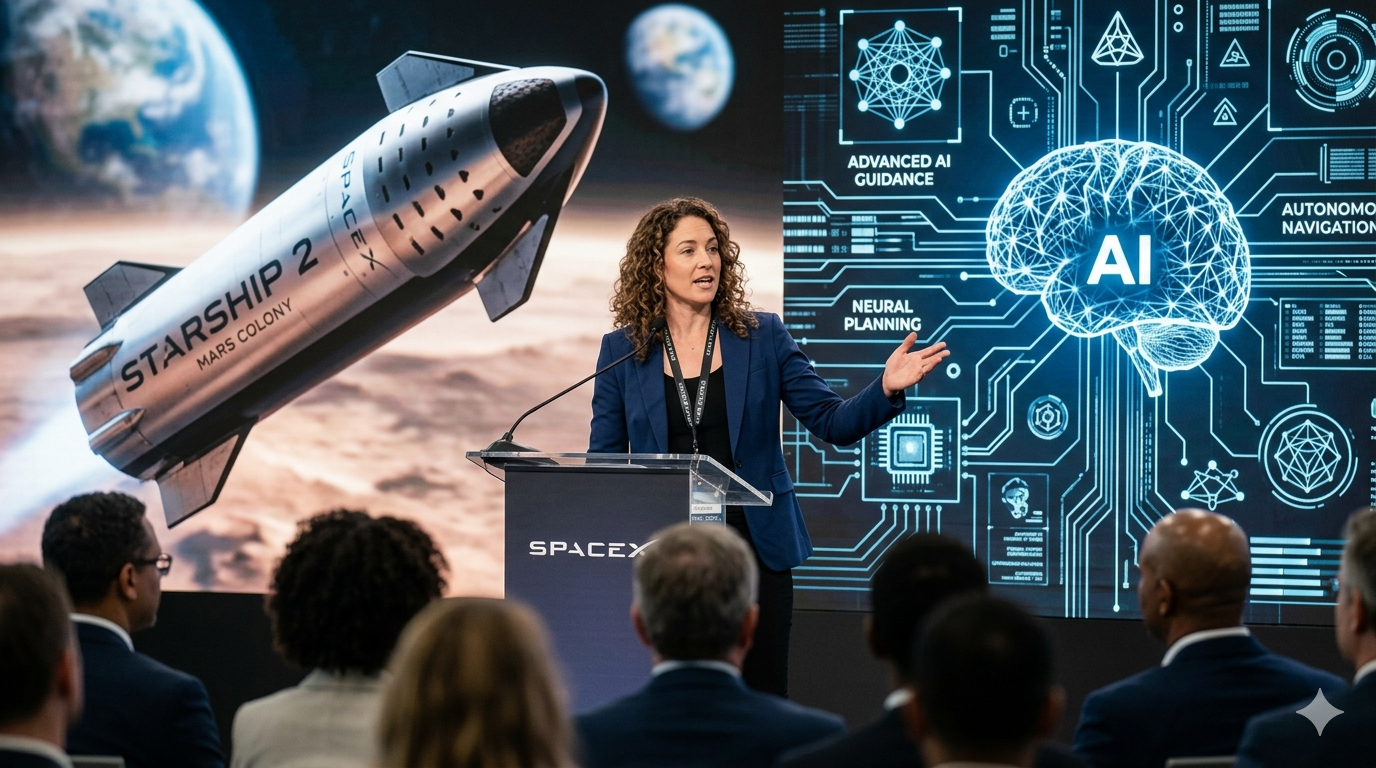
SpaceX continues developing Starship, the largest rocket ever built, with the goal of enabling large-scale transport of people and cargo to the Moon and eventually Mars. The company has repeatedly stated that permanent settlements beyond Earth remain a central objective.
Recent advances in reusable launch technology have strengthened arguments that space colonisation is becoming increasingly achievable during the coming decades.
Supporters believe such efforts could provide humanity with a long-term safeguard against global catastrophes while opening entirely new economic frontiers.
Is This Good or Bad?
The answer depends largely on perspective.
The Optimistic View
Supporters argue that Musk’s companies have accelerated innovation across multiple industries.
Electric vehicles became mainstream far sooner than many analysts expected. Private spaceflight has dramatically reduced launch costs. Satellite internet has expanded connectivity to remote regions. Artificial intelligence research continues to accelerate at remarkable speed.
Many investors believe that rewarding innovation encourages further technological breakthroughs that ultimately benefit society.
The Critical View
Critics argue that no individual should possess such enormous economic influence.
Concerns include:
- Wealth inequality
- Market concentration
- Political influence
- Corporate accountability
- The power of unelected technology leaders
Some economists argue that trillionaire-level wealth demonstrates structural imbalances within modern economies and raises questions about taxation, competition policy and democratic oversight.
The debate is unlikely to disappear anytime soon.
Key Businesses Driving Growth
SpaceX
The company’s leadership in reusable rockets, satellite communications and deep-space exploration has made it one of the most valuable private companies in the world.
Tesla
Despite increasing competition, Tesla remains one of the most influential electric vehicle manufacturers globally and continues expanding into energy storage and autonomous driving technologies.
xAI
The artificial intelligence company has emerged as one of the fastest-growing firms in the AI sector, contributing significantly to Musk’s recent increase in wealth.
Starlink
The satellite internet network continues expanding worldwide, serving consumers, businesses, governments and remote communities across multiple continents.
Impact
Elon Musk’s trillion-dollar milestone marks more than a personal achievement.
It reflects the growing importance of technology companies in shaping global economics, politics and society. It also highlights how rapidly emerging industries such as artificial intelligence, renewable energy and commercial spaceflight are transforming traditional ideas of wealth creation.
Whether history ultimately views the world’s first trillionaire as a symbol of innovation or a warning about concentrated power remains to be seen.
What is clear, however, is that the technologies driving this milestone are likely to influence the future of humanity for decades to come.