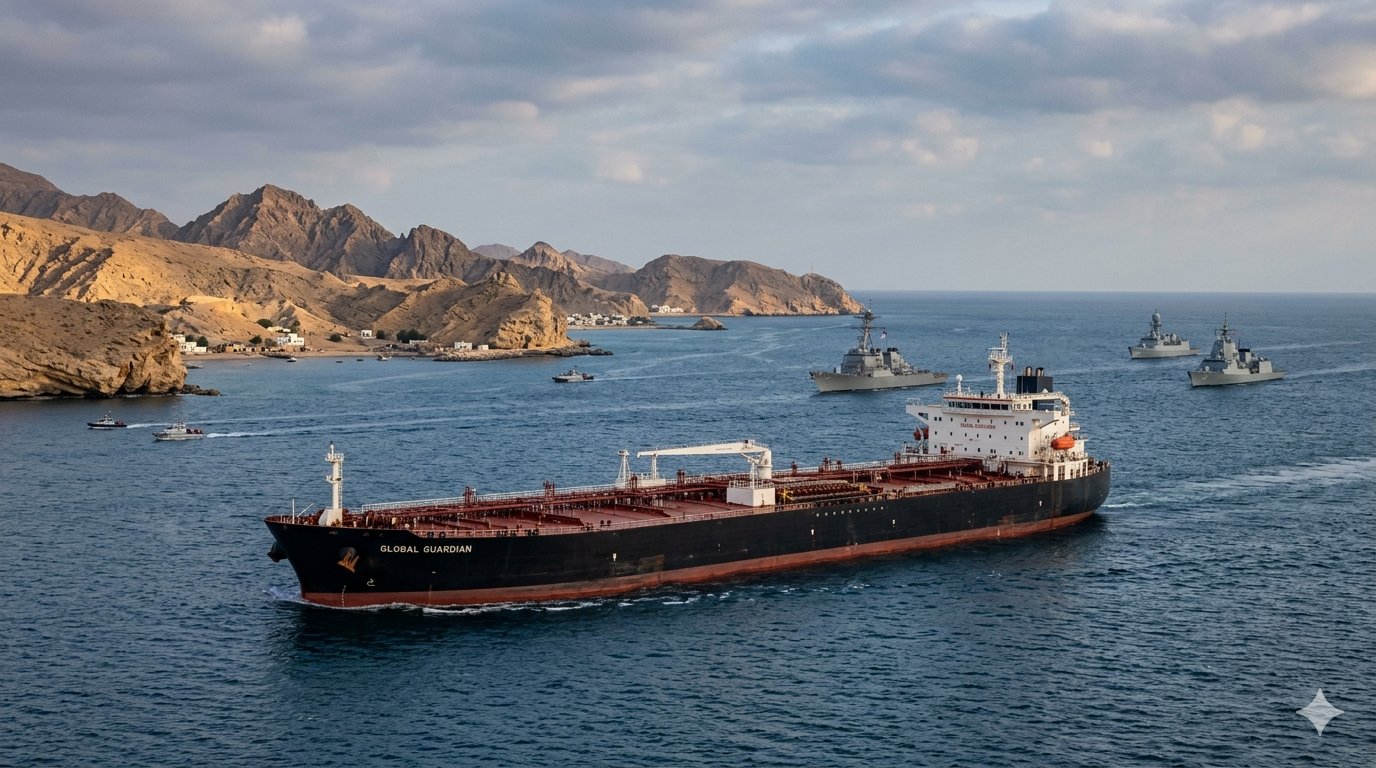
Shipping Disruptions Continue as Strait of Hormuz Uncertainty Raises Global Concerns
Summary
The Strait of Hormuz remains one of the most closely watched waterways in the world as shipping companies, energy producers and governments continue to navigate uncertainty surrounding the critical maritime route.
Although diplomatic agreements between the United States and Iran have created hopes of a return to normal operations, industry experts warn that significant obstacles remain. Mine clearance operations, security concerns and new transit regulations continue to limit shipping activity through the strategic chokepoint, raising concerns about energy supplies, freight costs and global trade.
Why the Strait of Hormuz Matters
The Strait of Hormuz is one of the world’s most important maritime corridors.
Located between Iran and Oman, the narrow waterway connects the Persian Gulf to international shipping routes and serves as a key transit point for oil, liquefied natural gas and other commodities. Under normal conditions, approximately one-fifth of global oil supplies pass through the strait.
Because of its strategic importance, disruptions in the area can have consequences far beyond the Middle East. Energy prices, shipping costs and supply chains around the world are often affected whenever traffic through the strait becomes restricted.
Conflicting Signals Create Uncertainty
Recent developments have created confusion regarding the status of the waterway.
Following a ceasefire agreement and a memorandum of understanding between the United States and Iran, some officials suggested that shipping traffic was beginning to recover. Several tankers resumed transit and oil exports from Gulf producers increased during the week.
However, other reports indicate that the situation remains far from normal. Iran’s military and political leadership have at times issued conflicting statements regarding access to the strait, creating uncertainty among shipping operators and insurers.
The result is a situation in which some vessels have resumed movement while many others remain cautious about returning to traditional shipping lanes.
Mines Remain a Major Concern
One of the biggest obstacles to normal shipping activity is the presence of naval mines.
Industry groups and maritime security experts estimate that dozens of mines remain in key transit routes. Mine-clearing operations are underway, but experts warn that the process could take weeks or even months before shipping companies regain full confidence in the safety of the waterway.
Several shipping companies have indicated that diplomatic agreements alone are not enough to resume normal operations. Instead, operators are waiting for safety guarantees, mine clearance verification and improved insurance conditions before returning large fleets to the region.
Impact on Global Markets
The uncertainty has already affected global trade and energy markets.
Freight rates have increased, insurance premiums remain elevated and many vessels continue to use alternative routes where possible. Energy markets have experienced significant volatility as traders assess the pace at which normal oil flows may return.
Although oil shipments have increased in recent days, traffic remains below pre-conflict levels. Maritime analysts note that even if the strait fully reopens in the coming weeks, it could take several months before supply chains and shipping schedules return to normal.
New Regulations Raise Questions
Adding to the uncertainty are new transit requirements introduced by Iranian authorities.
Reports indicate that vessels may now be required to obtain permits before entering the strait, while discussions continue regarding possible fees and insurance requirements. Shipping groups argue that the waterway is an international route and have expressed concerns about additional restrictions.
The legal and economic implications of these measures remain unclear, but they have contributed to caution within the global shipping industry.
Key Facts
Strategic Importance
The Strait of Hormuz carries approximately 20% of global oil supplies and remains one of the world’s most critical energy routes.
Shipping Recovery
While some vessels have resumed transit, industry leaders caution that a return to normal traffic levels may take weeks or months.
Mine Clearance
Mine removal operations continue and are widely viewed as a prerequisite for restoring confidence among shipping companies and insurers.
Impact
The situation in the Strait of Hormuz illustrates how regional conflicts can rapidly affect the global economy.
Even with diplomatic progress, restoring confidence among shipping operators, insurers and energy markets is proving far more complicated than simply declaring the waterway open. Industry experts increasingly believe that the real challenge is not reopening the strait but rebuilding trust in its safety and reliability.
For governments, businesses and consumers around the world, developments in the coming weeks will be closely monitored as efforts continue to restore one of the world’s most important trade routes.